

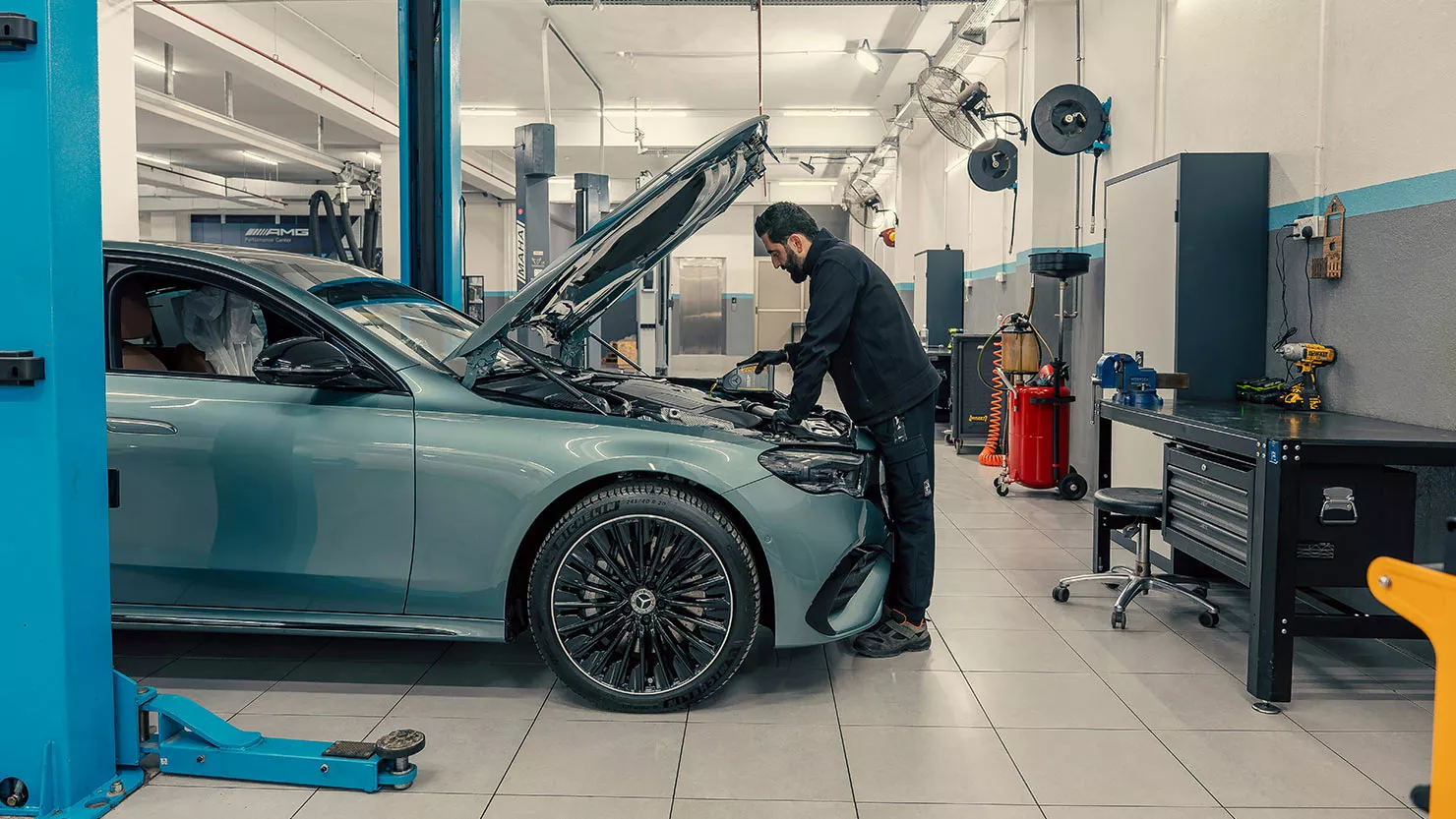
The automotive repair industry is experiencing significant changes driven by technological advancements, evolving consumer demands, and economic pressures. This dynamic sector continues to adapt, offering both challenges and opportunities to businesses and car owners alike. In this article, we delve into the emerging trends, costs, and maintenance practices that are shaping the future of automotive repair.
Trends in Automotive Repair
The automotive repair sector is increasingly influenced by technology, leading to more efficient and precise repair techniques. Innovations such as computer-aided diagnostics and advanced sensor technology are streamlining the repair process. This shift is not only enhancing the quality of repairs but also reducing the time vehicles spend in the shop.
One significant trend is the rise of electric and hybrid vehicles, which place new demands on the skills and tools required for repairs. Automotive repair shops must now adapt to service these advanced vehicles, necessitating ongoing technician training and investment in specialized equipment. This trend underscores the need for repair businesses to remain agile and forward-thinking.
According to Globenewswire.com, the global automotive collision repair market was estimated at $200.1 billion in 2023 and is projected to reach $261.3 billion by 2030. This growth signals an increasing demand for repair services, driven by rising vehicle ownership worldwide and the complexity of modern vehicles. Repair shops must prepare to meet this demand by expanding their capabilities and workforce.
Costs in Automotive Repair
The costs associated with automotive repair continue to rise, influenced by several factors including labor rates, parts pricing, and technology requirements. As vehicles become more sophisticated, the parts needed for repairs are often more expensive, impacting the overall repair bill. Additionally, the specialized skill set required to service modern vehicles can result in higher labor costs.
For consumers, understanding these cost drivers is crucial for making informed decisions about vehicle maintenance and repairs. Transparent pricing from repair shops and regular maintenance can help mitigate unexpected expenses. It’s essential for vehicle owners to prioritize preventive care to maintain performance and extend the life of their vehicles.
According to Zipdo, heavy-duty truck repair (including diesel engines) accounts for about 65% of the total U.S. automotive repair market. This statistic highlights the significant expenditure associated with maintaining commercial vehicles, which are vital to supply chain operations. Repair shops specializing in heavy-duty vehicles must therefore focus on efficiency and quality service to manage costs effectively.
Maintenance in Automotive Repair
Regular maintenance is a crucial component of automotive care, preventing more significant repair issues down the line. This proactive approach is essential, as it enhances vehicle reliability, safety, and performance. By identifying and addressing minor problems early, car owners can avoid costly repairs and unexpected breakdowns.
Maintaining a regular service schedule is vital, but many vehicle owners overlook this important aspect of car care. This neglect can lead to a range of issues, from reduced efficiency to complete mechanical failures. According to Gitnux, about 20% of auto repairs are caused by improper maintenance or neglect, emphasizing the importance of regular upkeep.
Automotive repair professionals are increasingly advocating for education and awareness to encourage responsible car ownership. By providing resources and clear maintenance guidelines, the industry can help consumers understand the long-term benefits of proper vehicle care. This approach not only fosters better relationships between repair shops and clients but also promotes safer roads.
Staying Ahead in a Changing Automotive Industry
The automotive repair industry is an ever-evolving sector that is set to continue its transformative journey, driven by a combination of technological innovations and shifts in consumer expectations. Staying ahead in this dynamic field requires a keen awareness of emerging trends, a strategic approach to managing operational costs, and a strong focus on the importance of regular vehicle maintenance. This ensures that both automotive repair professionals and vehicle owners are well-prepared to succeed in a continuously changing environment.
As new technologies such as electric vehicles (EVs), autonomous driving systems, and advanced diagnostic tools become more prevalent, they introduce new challenges and opportunities for those in the automotive repair industry. Understanding and effectively integrating these technologies into repair processes not only enhances repair quality but also boosts efficiency. Moreover, being knowledgeable about the latest advancements allows professionals to offer enhanced services that cater to the modern demands of consumers, thereby maintaining a competitive edge.
Furthermore, managing costs effectively is paramount in a landscape where economic fluctuations can significantly impact both business operations and customer spending habits. By employing strategies such as resource optimization, investing in skilled workforce training, and adopting cost-effective technologies, repair businesses can ensure profitability even during uncertain times. These measures help mitigate financial pressures and ensure that repair shops remain viable and successful.
