

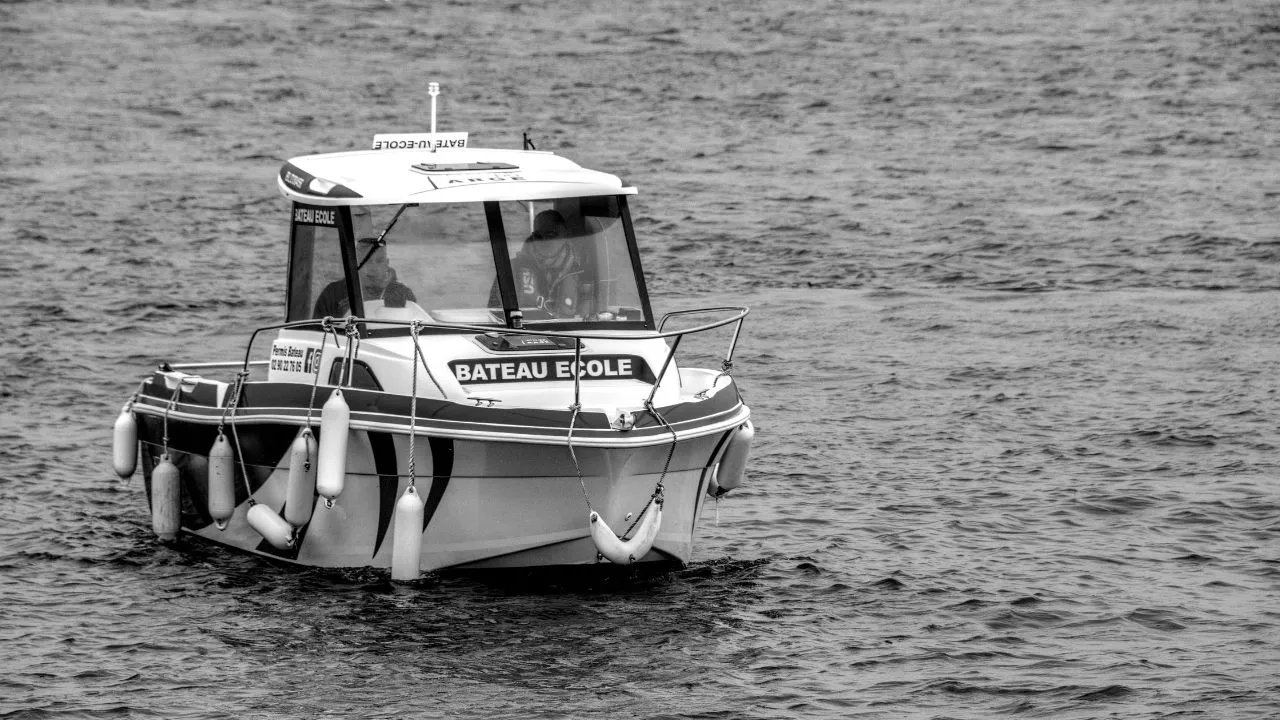
Picture a typical Saturday on the boat you want to buy. How many people are coming? Where will you launch? Who will handle the boat at the dock? Where will you keep it when you get home?
Those questions can narrow your search faster than a walk around a boat show. A boat that’s ideal for overnight trips may be more than you want to manage for two hours of fishing. A smaller boat might suit every trip you actually take and be easier to store between outings.
To buy a boat, decide how you’ll use it, price a full year of ownership, and compare boats that fit both. Before committing, see the boat on the water and make sure the condition, price and paperwork match what the seller has told you.
1. Choose a Boat for the Trips You’ll Actually Take
Start with your usual passengers, the waters you expect to use and the time you have for each outing. Think through loading, launching and docking as well as what happens once you’re under way.
| Boat type | Common use | What to look at in person |
|---|---|---|
| Small fishing boat | Day fishing with a small crew | Deck layout, storage and space to move while others are fishing |
| Pontoon | Relaxed day trips with family or friends | Seating, boarding access and how the layout suits your usual group |
| Bowrider or runabout | Day cruising, swimming and watersports | Seating, swim access and space for everyone’s gear |
| Cabin cruiser | Weekend trips and overnight stays | Berth size, ventilation and the storage or berth you’ll need ashore |
| Sailboat | Sailing, from short outings to overnight trips | How the rig is handled and whether you can manage it with your usual crew |
| Personal watercraft | Short trips with a small group | Boarding, gear storage and where you plan to launch it |
Do visit a marina or view several boats in person. Sit at the helm, step aboard from the dock and look at where you’d put a cooler, lines and bags. If you plan to trailer the boat, check the loaded weight of the boat, trailer and gear against your tow vehicle’s ratings.
Don’t pick a size based on the largest group you might invite once a year. Work from the group you expect to bring regularly.
2. Budget for the Boat and a Full Season of Ownership
Build two totals. The first is what you’ll spend to bring the boat home. The second is what it will cost to keep and use it over a typical year.
- At purchase — Boat and trailer price, transport, survey or engine inspection, applicable fees, and any equipment or repairs you need before launch.
- During the season — Storage or slip fees, insurance, fuel, launching fees and routine service.
- Between seasons — Off-season storage, servicing the trailer, and winterisation if your climate and boat call for it.
- Unexpected work — Keep a separate allowance for repairs. Use the inspection and service records to identify jobs already due.
Ask the marina or storage yard about availability for your boat’s actual length and beam. A storage quote is most useful when it covers the boat you’re considering and the months you need.
If you’re comparing boat loans, put the amount financed, APR, term, fees and total repayment side by side. A lower monthly payment can come with a longer repayment term. If you include a marine finance provider in your search, ask for a written quote you can compare on the same terms. SeaDream Inc
3. Decide Between New and Used, Then Compare Sellers
For a new boat, ask for the complete written price and an equipment list. Confirm whether it includes the engine, trailer, electronics, delivery and setup. Ask who handles warranty service, where you would take the boat and what the written warranty covers.
For a used boat, ask how it was stored, where it was operated, what has been repaired and what service is due. Request maintenance invoices and ask which equipment pictured in the listing comes with the sale. If it includes a trailer, review the trailer’s condition and paperwork separately.
When comparing dealers, look for reviews that describe delivery, repairs or warranty service. Ask who will be your point of contact after purchase. With a private seller, confirm early that the person selling the boat can provide the ownership documents you’ll need for the transfer.
4. Inspect the Boat and Arrange a Sea Trial
Look over the hull and deck in daylight. Pay attention to soft spots underfoot, corrosion, staining around fittings and any signs of repairs. Ask the seller to show you how the lights, steering, instruments and other equipment work. Have a qualified marine mechanic assess the engine when its condition is uncertain.
For a used boat with a significant purchase price or an uncertain history, consider hiring an independent marine surveyor. Ask what their inspection includes, whether the boat needs to come out of the water and whether engine diagnostics require a separate appointment.
On the sea trial, spend time at the helm and in the passenger seats. Check visibility, seating, noise and how manageable the boat feels while turning or approaching the dock at low speed. Observe the engine start, watch the gauges during the run and make a note of any warning lights or unusual vibration to discuss with the mechanic or surveyor.
Do allow time for the inspection and sea trial before a deposit becomes non-refundable. If you agree to buy subject to either check, put the conditions and deposit terms in writing.
Don’t treat a short ride as a substitute for an inspection. A sea trial shows you how the boat behaves on the water that day. An inspection can help you assess areas you can’t readily see during the ride.
5. Check What You’re Buying Before You Pay
Compare the boat’s identifying number with the seller’s paperwork. If the engine or trailer has its own identifying information or documents, record those separately. Check with the relevant registration office about the transfer steps for the boat and trailer where you plan to keep them.
Ask whether there is an outstanding loan or lien. If the seller says there is, agree how the lender will be paid and how the release will be documented before closing.
The written agreement should identify the boat, seller, price, deposit, included equipment, handover date and any inspection conditions. List items you expect to receive, especially things that can be removed easily, such as chartplotters, covers or a spare propeller.
6. Plan the Handover and Your First Outing
Ask the seller or dealer to walk you through the boat’s controls, shutoffs, battery switches and emergency equipment. Collect the manuals, maintenance records, spare keys and any warranty documents. Check the manufacturer’s service schedule and write down the first jobs due.
For your first trip, choose familiar water, a short route and a time when you can practise launching and docking without rushing. Check the local marine forecast and confirm the equipment requirements for your boat and waters with the relevant boating authority. Make sure everyone has an appropriate life jacket and knows where it is. Consider taking a local boating course or arranging an on-water lesson before taking a full group out.
Frequently Asked Questions
What should I buy first, the boat or a place to keep it?
Confirm storage or slip availability before you commit. If you’re storing it at home, measure the space with the trailer and check whether you have room to manoeuvre it in and out.
Is a marine survey the same as a sea trial?
A survey assesses the boat’s condition within an agreed scope. A sea trial shows how it operates on the water. Ask the surveyor whether the trial is included and which systems they will assess during it.
What should I ask a used-boat seller first?
Ask how long they’ve owned the boat, where it has been stored, when it was last serviced and why they’re selling it. Then ask whether they can provide the records and arrange an inspection and sea trial.
When should I walk away from a boat purchase?
Step back if you can’t match the boat to the ownership documents, get clear deposit terms or arrange the checks you need. A boat you can afford to buy should also be one you can afford to store, service and use.
