

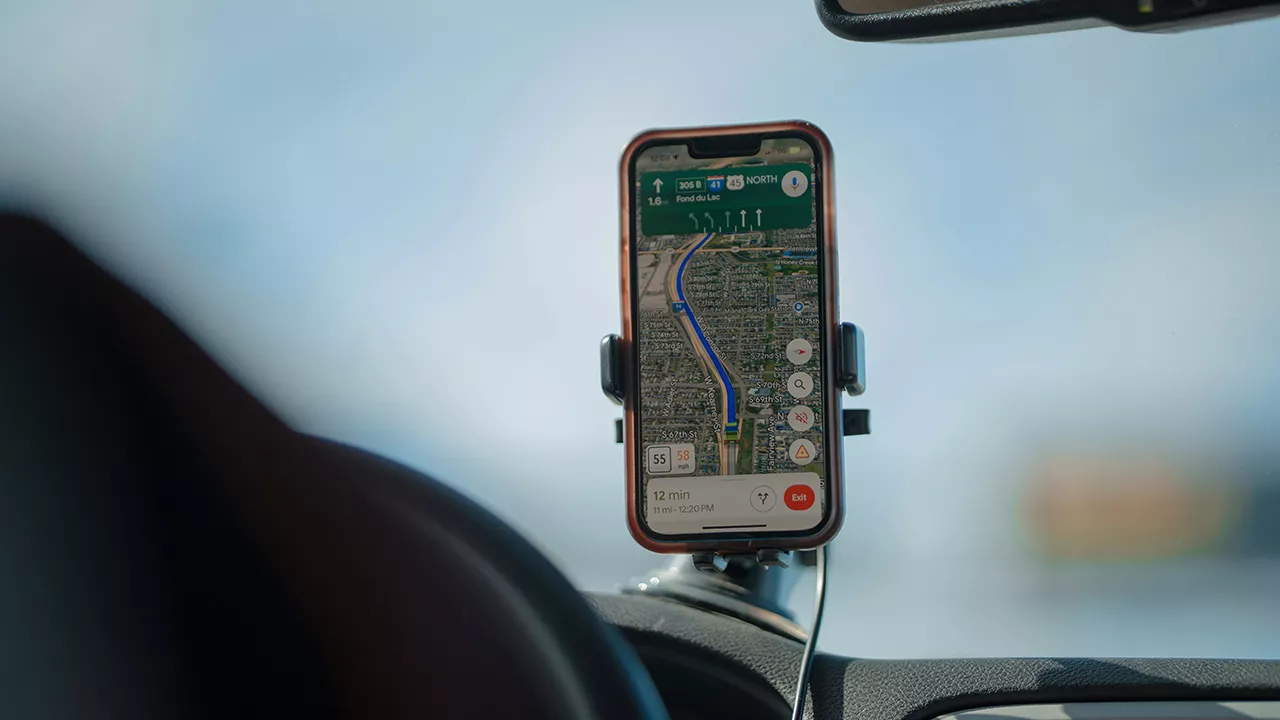
Traveling to a new destination often involves navigating unfamiliar roads, arranging transportation, and making decisions that affect personal safety. Whether taking a rideshare to an airport, renting a vehicle for a road trip, or driving between attractions, travelers should understand the potential risks associated with different transportation options. Planning ahead, choosing responsible transportation, and recognizing unsafe driving behaviors can help make trips more enjoyable and reduce the likelihood of preventable accidents. In this article, we’ll explore rideshare safety, responsible driving practices, alcohol-related transportation risks, and important considerations for safer road travel.
Understanding the Growing Role of Rideshare Services
Rideshare services have become a convenient transportation option for travelers who want to avoid driving in unfamiliar areas. These services can help people reach hotels, restaurants, airports, and local attractions without needing to rent a vehicle or navigate unfamiliar streets themselves.
According to the Ohio Department of Health, over 30% of adults in Ohio report using rideshare services at least once a month. This reflects how frequently people rely on these transportation options as part of their everyday routines and travel plans.
Although rideshares offer convenience, passengers should take precautions before entering a vehicle. They should verify the driver’s name, vehicle description, and license plate information through the app before approaching the car. Sharing trip details with a trusted contact and checking that the driver follows the expected route can provide additional peace of mind.
Travelers should also avoid sharing unnecessary personal information with drivers and remain aware of their surroundings when entering or exiting a vehicle. If something about a ride feels unsafe, passengers should prioritize their well-being and use available safety features within the rideshare application.
Recognizing the Dangers of Drunk Driving
Alcohol-related driving incidents remain a serious concern for people traveling by car. Tourists may encounter unfamiliar roads, busy entertainment districts, and social environments where alcohol is served. Making transportation arrangements before drinking can help prevent dangerous decisions later in the evening.
Drunk driving is any situation in which a person is driving with a blood alcohol concentration above the legal limit of .08. Alcohol can impair judgment, coordination, reaction time, and the ability to recognize potential road hazards. Even when someone believes they feel capable of driving, their ability to operate a vehicle safely may already be compromised.
Travelers should plan to use a designated driver, taxi, rideshare service, or public transportation whenever alcohol is involved. Groups can also agree on transportation arrangements before going out, eliminating the pressure to make last-minute decisions. Avoiding impaired driving protects not only the driver and passengers but also pedestrians and other motorists.
Understanding Breathalyzer Testing and Accuracy
Alcohol testing devices are commonly used during traffic stops and other situations involving suspected impaired driving. However, questions about testing accuracy can make understanding the technology and its limitations important for travelers and motorists.
According to The New York Times, breathalyzers and other machines sometimes test too high. When tested, some machines posted blood alcohol results as high as 40 times too high.
This highlights why proper equipment maintenance, calibration, and testing procedures matter. Breath-testing devices should be operated according to established requirements, and potential accuracy concerns may be relevant when evaluating test results. Individuals involved in an impaired-driving investigation may benefit from consulting a qualified attorney to understand their legal rights and available options.
Preparing for Safer Road Trips
Road trips require additional preparation, particularly when traveling long distances or driving through unfamiliar areas. Before departing, motorists should inspect their vehicles, check tire pressure, confirm that lights and signals work properly, and make sure essential maintenance is current.
Planning rest stops is equally important. Driver fatigue can affect concentration and reaction time, making regular breaks necessary during extended trips. Travelers should also review their routes, monitor weather conditions, and allow additional time for unexpected traffic or road closures.
Keeping emergency supplies, a phone charger, water, and basic first-aid materials in the vehicle can also make unexpected situations easier to manage.
Related Guide: Essential Packing List for a Winter Road Trip
Making Transportation Safety Part of Every Trip
Safer travel begins with thoughtful decisions before getting behind the wheel or entering a vehicle. By verifying rideshare details, avoiding impaired driving, understanding testing concerns, and preparing vehicles for road trips, travelers can reduce unnecessary risks. Prioritizing responsible transportation choices helps protect everyone on the road while making travel experiences more comfortable and enjoyable.
