


Finding the perfect car is already a challenge. But if you are a little lower on the height scale, it can feel even harder.
As a 4’11” driver, I understand the struggle quite well. You sit in a car, pull the seat forward, raise it as much as it allows, adjust the mirrors, and still feel like the hood is hiding half the road. Then comes the steering wheel reach, the pedals, the touchscreen, and that awkward little stretch just to use the GPS.
It is not always a smooth ride. And still, you do not just want a car that fits. You want a vehicle that is fun, easy to handle, safe, and enjoyable enough to make you feel confident behind the wheel.
The good news is that you have plenty of choices. Modern cars offer height-adjustable seats, tilt-and-telescoping steering wheels, better cameras, clearer displays, and driver-assistance features that can make everyday driving easier.
But there is one thing worth remembering before we start: the best car for a short person is not necessarily the smallest car. Two people who are both 5 feet tall can have very different leg lengths, torso heights, and seating preferences. The right vehicle is the one that lets you find a safe and comfortable relationship between the seat, steering wheel, pedals, mirrors, and road.
Quick Answer: Best Cars for Short People
The best cars for short people in 2026 are vehicles that combine good outward visibility, useful driver-seat adjustment, a tilt-and-telescoping steering wheel, comfortable pedal reach, manageable entry height, and easy-to-reach controls.
Our best overall pick is the Subaru Forester because its upright driving position, large windows, and generally excellent visibility make it a strong starting point for shorter drivers. The Honda CR-V is a strong family choice, while the Kia Soul is a practical budget-friendly option.
The Hyundai Kona, Kia Seltos, Mazda CX-30, Honda HR-V, Toyota Corolla Cross, Subaru Crosstrek, and Toyota Camry are also worth considering depending on your height, leg length, budget, and preferred body style.
If you are shopping used, the Honda Fit remains an interesting small-car choice, while the BMW i3 can make sense for city-focused used-EV shoppers.
The most important test is simple: after adjusting the seat and steering wheel, you should be able to reach the pedals comfortably, see clearly, operate essential controls without stretching, and maintain a safe distance from the steering-wheel airbag.
Table of Contents
Best Cars for Short Drivers at a Glance
Before getting into each vehicle, here is a quick look at what makes these cars worth considering.
| Vehicle | Best For | Why It Works for Short Drivers | Watch For |
|---|---|---|---|
| Subaru Forester | Best overall visibility | Upright seating, large windows, easy-to-manage driving position | Check the exact seat adjustment on your preferred trim |
| Honda CR-V | Best family SUV | Comfortable cabin, adjustable seating, practical size | Higher trims can add useful seat adjustments |
| Kia Soul | Best affordable small car | Boxy cabin, large glass area, easy-to-judge body | Not every short driver will prefer its seating position |
| Hyundai Kona | Best city SUV | Compact footprint, useful driving position, easy parking | Seat equipment varies by trim |
| Kia Seltos | Best value small SUV | Upright position, manageable dimensions, practical cabin | Test the seat and steering-wheel reach carefully |
| Mazda CX-30 | Best for driving enjoyment | Strong seat and steering-wheel adjustability, compact size | Rear visibility and cargo space are not class-leading |
| Honda HR-V | Best simple crossover | Compact dimensions, good forward visibility, easy daily use | Power-seat availability depends on trim |
| Toyota Corolla Cross | Best practical choice | Manageable size, elevated seating, available hybrid | Some desirable adjustments vary by trim |
| Subaru Crosstrek | Best AWD-oriented option | Good visibility and moderate step-in height | Base powertrain is not particularly quick |
| Toyota Camry | Best sedan alternative | Adjustable driving position and comfortable road manners | Lower seating position than most SUVs |
How We Chose the Best Cars for Short People
We did not rank these vehicles simply by exterior size. A small car can still leave a shorter driver stretching toward the pedals or sitting too close to the steering wheel, while a larger vehicle can provide a much better driving position.
Our comparison focuses on outward visibility, driver-seat adjustability, steering-wheel reach, pedal access, entry and exit, safety, and everyday usability. We also separate current vehicles from older used-car recommendations so a discontinued model is not mistaken for a new-car option.
Independent automotive testing supports this approach. Consumer Reports evaluates access, driving position, front-seat comfort, and visibility using a range of test drivers, including shorter testers. Its current short-driver guide was updated in March 2026. CARFAX also evaluates features such as driving position, seat adjustment, visibility, and step-in height in its 2026 recommendations.
This is an editorial shortlist rather than a laboratory test. Your own body proportions still matter, which is why every recommendation should be followed by an actual test drive.
Best Cars for Short People in 2026
1. Subaru Forester: Best Overall for Visibility

The Subaru Forester deserves the top spot because it gets one of the most important things right for shorter drivers: visibility.
Its upright cabin, large windows, and elevated seating position make it easier to see the road around you without feeling like you are sitting on top of the dashboard. You do not get the same closed-in sensation that some compact vehicles can create.
The Forester also hits a useful middle ground for entry and exit. It is not a low sports car that requires you to drop into the seat, but it is not a towering truck that makes you climb aboard either.
For shorter drivers, that visibility can make a bigger difference than a long list of technology features. You want to know where the front corners are, see surrounding traffic, and feel comfortable judging the road.
The 2026 Forester also has strong independent safety credentials. IIHS currently lists the 2026 model as a Top Safety Pick+, with good ratings in several crashworthiness and crash-avoidance evaluations.
Best for: Visibility, confidence, families, and everyday driving.
Watch for: Do not assume every trim has identical seat equipment. Sit in the exact version you intend to buy and adjust everything from scratch.
2. Honda CR-V: Best Family SUV

The Honda CR-V is not the smallest SUV here, but that is part of its appeal. It gives you useful interior space without feeling like a huge vehicle from the driver’s seat.
The upright driving position, broad windows, comfortable cabin, and adjustable seating make it a strong choice for shorter drivers who also need room for passengers, groceries, luggage, or family trips.
The CR-V is especially appealing if you want one vehicle that can handle almost everything. Daily commuting, school runs, errands, road trips, and weekend travel all fit naturally into its personality.
Honda’s current 2026 CR-V lineup starts with the LX and includes several trims with additional comfort and convenience equipment. The EX-L, for example, includes an 8-way power driver’s seat.
It also sits nicely with our guide to cute SUVs for women if you want a practical SUV that still feels stylish and approachable.
Best for: Families and short drivers who want space without moving into a larger SUV.
Watch for: Do not judge the CR-V only from a quick dealership sit. Adjust the seat and steering wheel fully before deciding whether the pedal reach works for you.
3. Kia Soul: Best Affordable Small Car

The Kia Soul has always had a personality of its own. It is small, boxy, cheerful, and surprisingly useful. For short drivers, that boxy shape is not just about styling. It can make the vehicle easier to understand from the driver’s seat.
The upright cabin and broad glass area can provide a more open view than some low-slung hatchbacks. The relatively compact body also makes parking and maneuvering around town less intimidating.
The Soul is a particularly interesting choice if you want something affordable and practical without moving into a conventional compact SUV.
It also has the sort of friendly shape that works well for drivers who like a car with personality rather than a completely anonymous commuter.
If you like cars that feel compact, friendly, and easy to personalize, you may also enjoy our guide to cute small cars for short drivers.
Best for: Budget-conscious buyers who want a compact, easygoing vehicle.
Watch for: Boxy styling does not automatically guarantee a perfect driving position. Check pedal reach and steering-wheel adjustment personally.
4. Hyundai Kona: Best for City Driving

The Hyundai Kona is a small SUV that makes sense for city driving. It is compact enough for crowded streets and parking lots while giving you the elevated seating position many shorter drivers prefer.
The 2026 Kona starts at $25,500 before freight, taxes, title, and other charges, according to Hyundai. The current gas model is also available with front-wheel drive or HTRAC all-wheel drive depending on configuration.
One reason the Kona deserves attention is its useful combination of size and adjustability. CARFAX specifically highlights its adjustable driving position and easy-to-park dimensions in its 2026 short-driver ranking.
If most of your driving involves commuting, errands, shopping centers, and city streets, the Kona is an easy vehicle to add to your test-drive list.
Best for: City driving, parking, and buyers who want a small SUV.
Watch for: Seat equipment varies by trim, so verify the driver’s seat features on the exact vehicle you are considering.
5. Kia Seltos: Best Value Small SUV
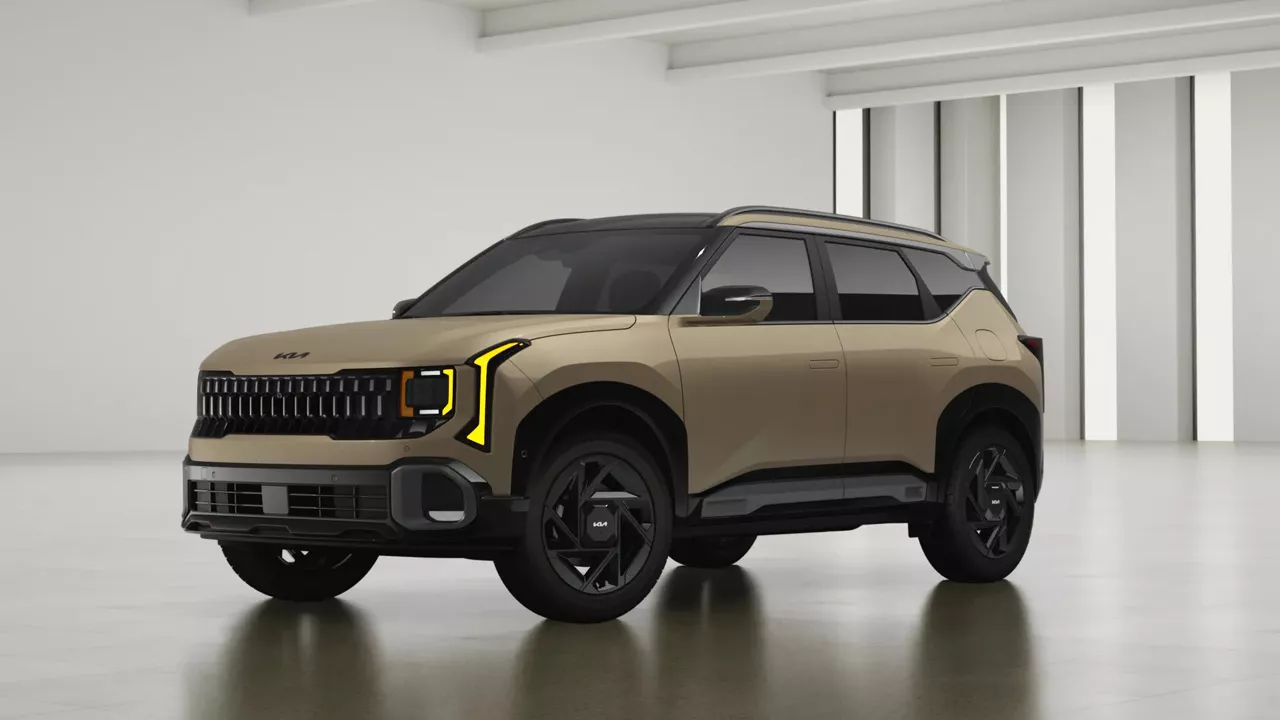
The Kia Seltos gives shorter drivers an upright driving position without stepping into the size of a midsize SUV.
It sits in a useful middle ground. You get more practicality than a tiny hatchback, but the vehicle remains manageable enough for everyday city driving.
CARFAX’s current 2026 evaluation specifically points to the Seltos’ upright driving position and easy view over the hood as advantages for shorter drivers.
The current Kia lineup lists the Seltos with a starting MSRP around $25,000 before destination, taxes, title, license fees, options, and dealer charges. Exact pricing and equipment should be checked by trim.
Best for: Value-focused buyers who want an approachable small SUV.
Watch for: The base engine and front-seat comfort may not appeal to everyone, especially on longer drives.
6. Mazda CX-30: Best for Driving Enjoyment
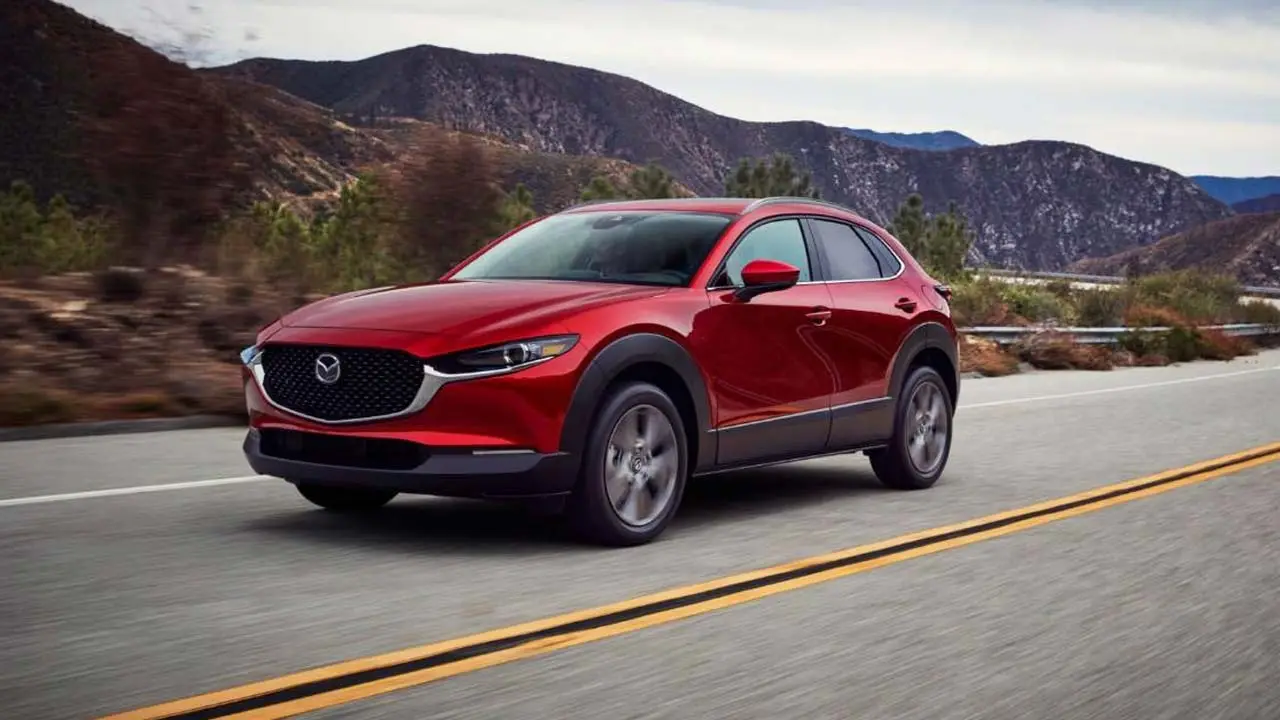
The Mazda CX-30 is for shorter drivers who still want their vehicle to feel stylish and enjoyable from behind the wheel.
The compact footprint helps in parking and urban driving, while the cabin has a more premium feel than many small SUVs.
CARFAX specifically identifies the CX-30’s seat and steering-wheel adjustability as one of its advantages for shorter drivers.
The 2026 CX-30 starts at $26,375 before destination and other charges. Mazda also offers several trims, and equipment changes considerably as you move up the range.
The CX-30 is also currently listed by IIHS as a 2026 Top Safety Pick+ among small SUVs.
Best for: Short drivers who want a compact SUV with a more engaging driving feel.
Watch for: The CX-30 sacrifices some rear-seat and cargo space compared with larger compact SUVs.
7. Honda HR-V: Best Simple Crossover
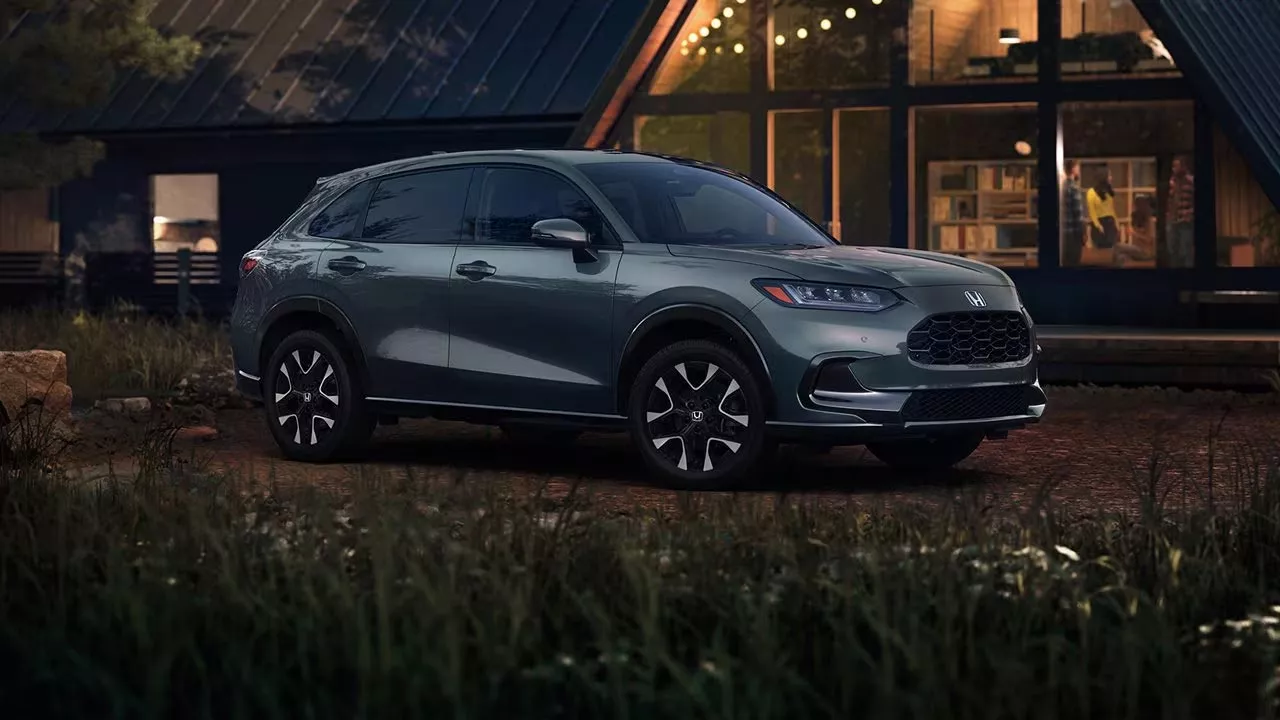
The Honda HR-V is not flashy about its strengths. It is practical, compact, comfortable, and easy to understand. That can be exactly what a shorter driver wants.
It gives you some of the seating-height benefits of a crossover without the bulk of a larger SUV. The 2026 HR-V starts at $26,500, while the EX-L trim includes an 8-way power driver’s seat.
IIHS currently lists the 2026 HR-V as a Top Safety Pick+ among small SUVs, although safety ratings should always be checked for the exact model year and configuration.
If you want a Honda but do not need the extra size of the CR-V, the HR-V deserves a serious test drive.
Best for: Simple daily driving and city use.
Watch for: If precise seat adjustment is important to you, compare trims rather than assuming the base model has every adjustment you want.
8. Toyota Corolla Cross: Best Practical Choice
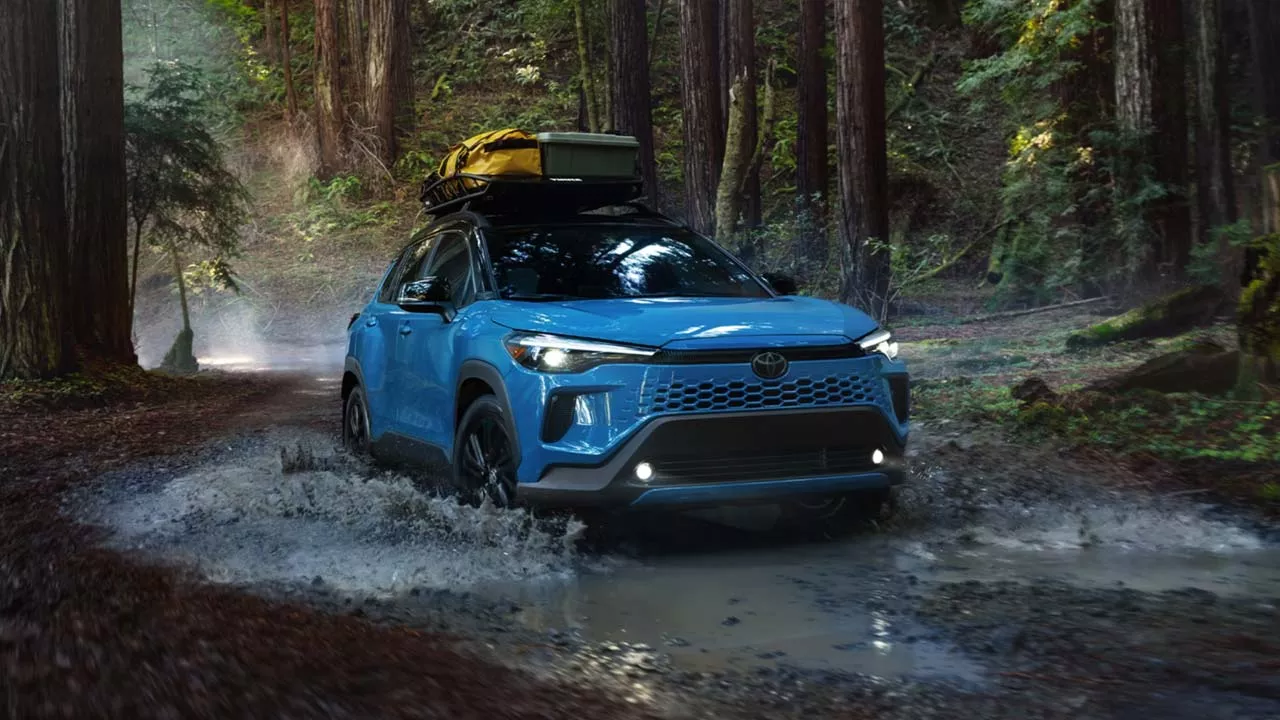
The Toyota Corolla Cross is a sensible option for short drivers who want a compact SUV without making the decision complicated.
Think of it as a vehicle that combines the familiar name and footprint of the Corolla family with a higher, more SUV-like seating position.
The 2026 Corolla Cross received interior updates, including a redesigned front console intended to improve storage and access to controls. Toyota has also continued offering both gas and hybrid versions.
Toyota announced a starting MSRP of $24,635 for the 2026 gas Corolla Cross and $28,995 for the hybrid when the model was introduced. Current dealer pricing can differ, so verify the latest figure before buying.
Best for: Practical ownership, manageable size, and buyers interested in a hybrid.
Watch for: Check exactly which seat adjustments are included on your chosen trim.
9. Subaru Crosstrek: Best AWD-Oriented Choice
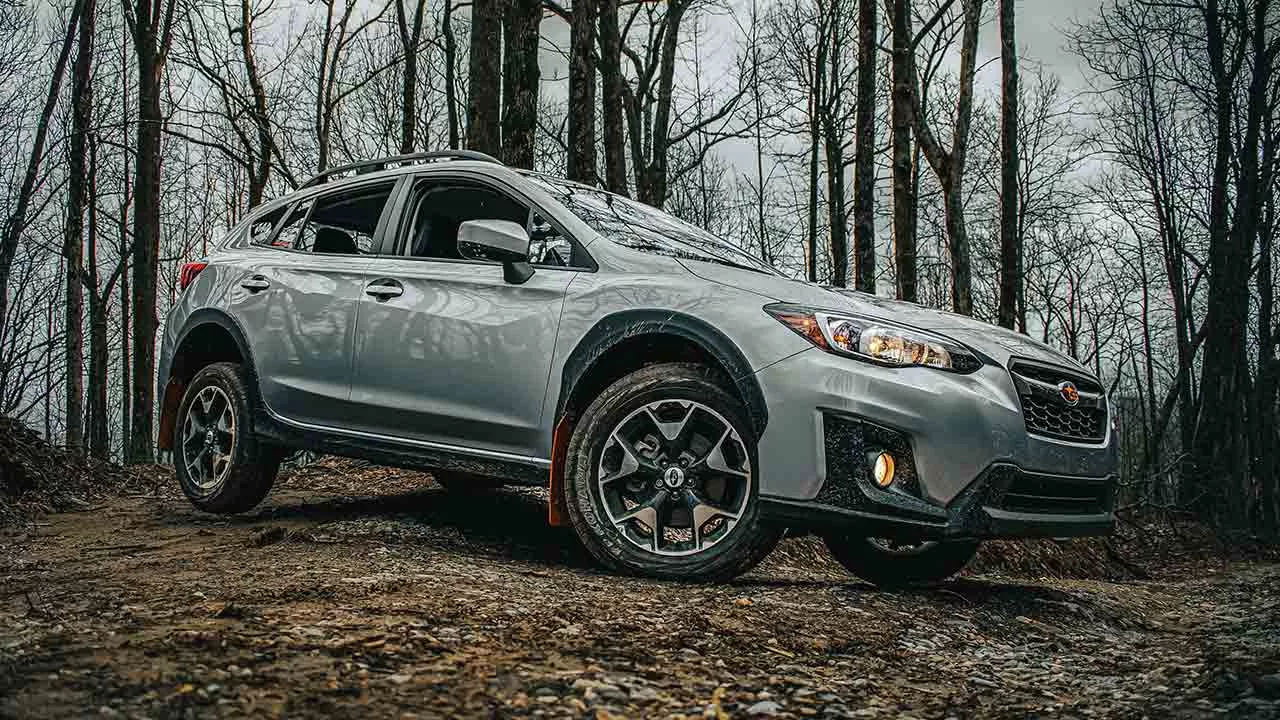
The Subaru Crosstrek is a strong candidate if you want good visibility and all-weather capability without moving into a large SUV.
Its moderate step-in height is useful because you are not climbing into a tall truck or dropping into a low sedan. The cabin also gives you a reasonably open view of the road.
The 2026 Crosstrek starts at $26,995 for the base trim, with several higher trims available. Subaru also offers hybrid versions in the 2026 lineup.
The Crosstrek is especially interesting for drivers who spend time in areas with snow, rough roads, or changing weather and want standard all-wheel drive.
Best for: Short girl drivers who want AWD and outdoor versatility.
Watch for: The base powertrain is not the quickest option in this group, so take a proper test drive if performance matters.
10. Toyota Camry: Best Sedan Alternative
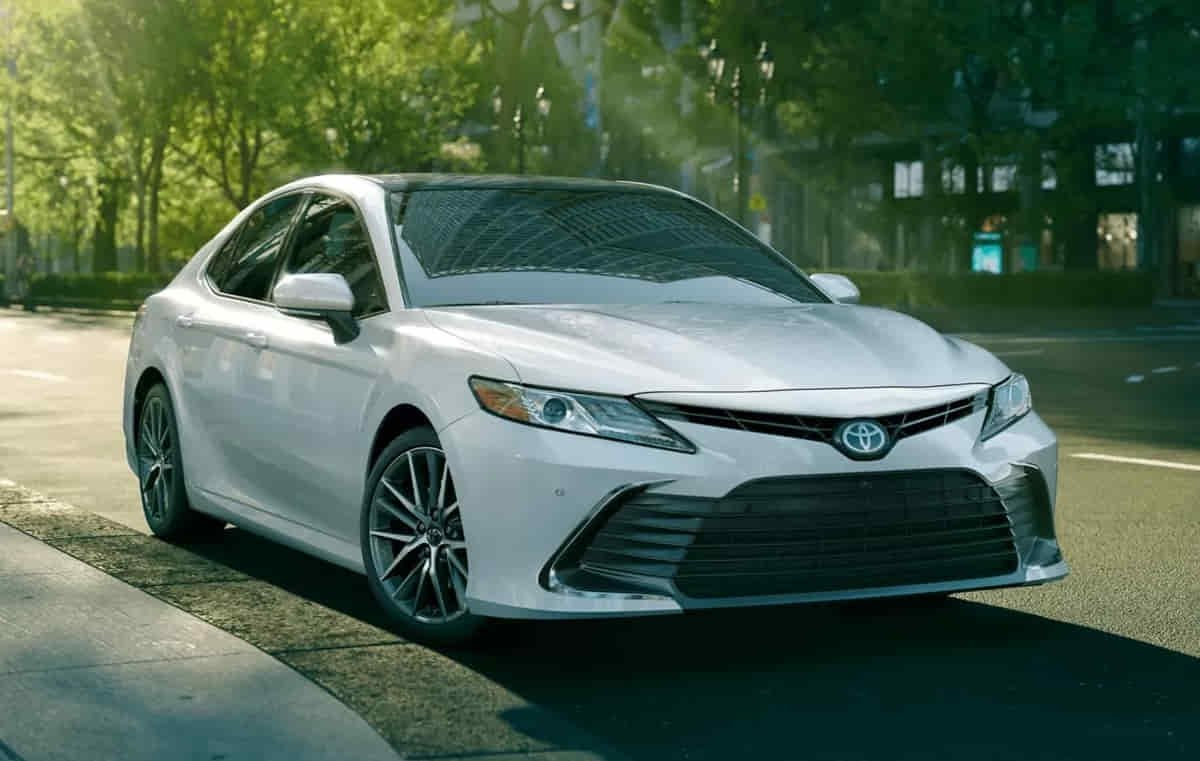
Not every short driver wants an SUV. The Toyota Camry is a good reminder that a sedan can still be an excellent choice if the driving position works for you.
The 2026 Camry is offered exclusively as a hybrid and starts at $29,600. Toyota estimates up to 51 combined mpg for certain configurations.
The lower seating position can actually be preferable if you do not like the upright feel of an SUV. The important thing is whether you can raise or position the driver’s seat comfortably, reach the pedals, bring the steering wheel toward you, and maintain a clear view.
The Camry is also currently listed by IIHS as a 2026 Top Safety Pick+.
Best for: Short drivers who prefer a sedan over an SUV.
Watch for: A sedan’s lower driving position may not give you the same forward view as a compact SUV.
Best Used Cars for Short Drivers
Some older cars are still excellent choices for shorter drivers. They should not be mixed into a current new-car ranking, but they deserve attention if you are shopping the used market.
Honda Fit: Best Used Small Car

The Honda Fit is no longer sold new in the United States, but it remains one of the more interesting used-car choices for short drivers.
Its compact exterior makes parking easy, while the cabin feels much larger than the car looks from outside. The upright layout and good visibility can be particularly appealing if you have struggled with low seating positions.
The Fit is also a good example of why “small” and “short-driver friendly” are not the same thing. Its packaging makes better use of its dimensions than many tiny cars.
Best for: Used-car shoppers who want an inexpensive, compact city vehicle.
Important: Condition, maintenance history, mileage, safety equipment, and model year matter considerably when buying a used Fit.
BMW i3: Best Used EV for City Driving

The BMW i3 is an unusual used-car option, but its compact dimensions, relatively upright seating position, and large glass area can make it appealing to shorter drivers who mainly travel around town.
It is easy to maneuver and park, and its distinctive interior makes it feel very different from conventional small cars.
The important caveat is age. The i3 should be considered a used EV rather than a current mainstream new-car recommendation. Battery condition, remaining range, charging compatibility, maintenance history, and local service availability should all be checked before purchase.
Best for: City-focused used-EV shoppers who want something compact and distinctive.
Do Short Drivers Actually Need an SUV?
No. A higher seating position can help some shorter drivers see the road more easily, but an SUV is not automatically the better choice.
A sedan can be easier to enter, easier to judge at the front corners, and more comfortable if you prefer a lower driving position. A compact car can also work extremely well if its seat and steering wheel give you enough adjustment.
The better question is whether you can create a comfortable relationship between the seat, steering wheel, pedals, mirrors, and road view.
If possible, test a compact car, compact SUV, and sedan back-to-back. The difference in driving position becomes much easier to understand when you move directly from one body style to another.
How to Choose the Best Car for Short People
Choosing a car when you are short is not just about price, color, or horsepower. It is about how the car fits around your body.
Can you see clearly? Can you reach the pedals without sitting too close to the steering wheel? Can you operate the controls without leaning forward? Can you reverse comfortably? Can you get in and out without climbing or dropping down awkwardly?
These are the questions that matter.
1. Check Outward Visibility
Visibility is one of the first things to check. Look through the windshield, side windows, and mirrors from your normal driving position.
Large windows can help, but window size alone does not tell the whole story. Hood height, windshield angle, dashboard design, seat height, and roof pillars can all affect what you see.
A rearview camera is useful, but it should complement good visibility rather than compensate for a poor driving position.
2. Look for a Height-Adjustable Driver’s Seat
A height-adjustable driver’s seat can make a huge difference for a shorter driver.
You should be able to raise the seat enough to see comfortably without putting your head too close to the roof. You also want enough thigh support without the front of the seat pressing uncomfortably behind your knees.
Power adjustment can make finding the right position easier, but a well-designed manual seat can work perfectly well too.
3. Prioritize a Tilt-and-Telescoping Steering Wheel
Steering-wheel adjustment is just as important as seat adjustment.
A wheel that only tilts may still leave you reaching too far forward. A telescoping wheel lets you bring it closer while keeping the seat farther back.
You should be able to maintain a comfortable posture with your back supported rather than leaning toward the wheel just to reach it.
4. Check Pedal Distance
If your toes barely reach the pedals, the vehicle may not be a good fit.
Move the seat into a comfortable position, then check whether you can fully operate the accelerator and brake without stretching your legs or sliding too close to the steering wheel.
Do not solve a poor fit by simply moving dangerously close to the wheel.
5. Take Airbag Distance Seriously
This is one area where comfort should never override safety.
NHTSA recommends maintaining at least 10 inches between the steering-wheel airbag cover and your breastbone while maintaining a proper seating position and still being able to comfortably reach the pedals.
For a shorter driver, that makes good seat and steering-wheel adjustment especially important. If you cannot comfortably reach the pedals without moving too close to the wheel, consider another vehicle rather than forcing the driving position.
6. Check Entry and Exit
A car can feel perfect once you are seated and still be annoying to use every day.
Get in and out several times. Look at the door opening, seat height, side sill, and steering-wheel position.
The ideal vehicle should let you enter naturally rather than making you climb upward or drop awkwardly into the seat.
7. Make Sure the Controls Are Within Reach
Touchscreens are not the only consideration.
Try the climate controls, audio controls, gear selector, turn signals, door controls, and other frequently used functions. You should not have to lean forward every time you want to change something.
Voice controls can be helpful, but they should not be the only solution to poorly placed controls.
8. Check the Seat-Belt Position
After adjusting the seat, check where the shoulder belt rests. It should sit correctly across your shoulder and chest rather than rubbing against your neck or sitting too far outward.
If the belt position feels wrong even after adjustment, ask the dealer whether the vehicle offers another seating configuration or whether a different model would fit better.
9. Test the Car at Normal Road Speeds
A quick trip around a dealership parking lot is not enough.
Drive on normal roads if possible. Check your view at intersections, during lane changes, while parking, and when reversing. Try the controls after you have settled into your natural driving position.
A car that feels slightly awkward after five minutes may become exhausting after five months.
Cars Short Drivers Should Test Carefully
This does not mean you must automatically avoid these vehicles. It means you should be more careful during the test drive.
| Vehicle Type | Why It May Be Challenging |
|---|---|
| Very tall pickup trucks | High step-in height, larger dimensions, and potentially more difficult front-corner visibility |
| Large SUVs | Can feel wide, tall, or difficult to judge in tight spaces |
| Low sports cars | Low seating can make entry and exit harder and may reduce your road view |
| Vehicles with long hoods | Front corners may be harder to judge from a low seating position |
| Vehicles with thick roof pillars | Can create larger blind areas |
| Vehicles without telescoping steering wheels | Can make it harder to balance pedal reach with a safe steering-wheel distance |
Again, these are not automatic deal-breakers. A short driver with a particular body shape may fit a vehicle that another short driver cannot.
Best Features for Short Drivers
| Feature | Why It Helps |
|---|---|
| Height-adjustable driver’s seat | Helps you find a better view and driving position |
| Tilt-and-telescoping steering wheel | Helps balance steering-wheel reach with safe seating distance |
| Large windows | Can improve outward visibility |
| Rearview camera | Makes reversing and parking easier |
| Blind-spot monitoring | Provides an additional warning when changing lanes |
| Rear cross-traffic alert | Can be useful when reversing from parking spaces |
| Parking sensors | Help judge distance in tight spaces |
| Moderate step-in height | Makes daily entry and exit easier |
| Memory driver’s seat | Useful when multiple people share the vehicle |
| 360-degree camera | Especially useful in larger vehicles |
| Easy-to-reach physical controls | Reduces the need to lean forward while driving |
Frequently Asked Questions About the Best Cars for Short People
The Subaru Forester, Honda CR-V, Kia Soul, Hyundai Kona, Honda HR-V, and Toyota Corolla Cross are good vehicles to put on a 5-foot driver’s test-drive list. They offer combinations of visibility, manageable dimensions, and useful seating adjustments. However, height alone does not determine fit. Leg length and torso height can change which vehicle feels best.
Not automatically. Compact SUVs can offer a useful combination of elevated seating and manageable dimensions, but some sedans and small cars can fit short drivers just as well or better. Choose the vehicle that gives you the best combination of visibility, pedal reach, steering-wheel position, comfort, and safety.
The most useful features include a height-adjustable driver’s seat, a tilt-and-telescoping steering wheel, good outward visibility, a rearview camera, blind-spot monitoring, rear cross-traffic alert, parking sensors, and automatic emergency braking. These features do not replace proper seating position or safe driving habits.
Yes. The Forester is one of our strongest choices because of its upright driving position, large windows, and visibility. The 2026 Forester also has strong independent safety credentials, including an IIHS Top Safety Pick+ designation.
Yes. The CR-V is a strong option for shorter drivers who need family space. Its comfortable cabin and available driver-seat adjustment make it worth testing, especially if you want a vehicle that can handle commuting, errands, passengers, and road trips.
The Kia Soul is one of the best current small-car options to consider, while the Honda Fit remains a strong used-car choice. The Hyundai Kona is another good option if you prefer the higher seating position of a small SUV.
It depends on the vehicle. Compact SUVs often provide a higher seating position, while sedans can provide a lower and sometimes more natural driving position. Test both body styles if possible and choose the one that gives you the clearest view and most comfortable pedal and steering-wheel reach.
The Honda Fit is one of the most interesting used options because of its compact size, visibility, practical interior, and easy maneuverability. The BMW i3 is another possibility for a city-focused used-EV buyer, although battery condition and remaining range should be checked carefully.
Final Verdict
Being short does not mean you have to settle for a car that feels awkward every time you drive it.
The best cars for short people are not simply the smallest vehicles. They are the ones that let you see clearly, reach the pedals comfortably, position the steering wheel properly, operate the controls without stretching, and maintain a safe seating position.
For most shorter drivers, the Subaru Forester is our best overall starting point because visibility and driving position are such important parts of its appeal. The Honda CR-V is a strong family choice, the Kia Soul is an appealing affordable option, and the Hyundai Kona, Kia Seltos, Mazda CX-30, Honda HR-V, Toyota Corolla Cross, Subaru Crosstrek, and Toyota Camry each bring something different to the table.
If you are shopping used, the Honda Fit deserves attention, while the BMW i3 can be interesting for city-focused EV buyers.
But there is no universal “best” car for every short driver. Your height is only part of the equation. Your leg length, torso height, preferred seating position, driving environment, budget, and comfort all matter.
The real winner is the car that lets you sit comfortably, see clearly, reach everything naturally, and drive with confidence.
So take your time with the seat, steering wheel, mirrors and test drive. The right car should not make you feel like you are adjusting yourself to fit it. It should start to feel like it fits you.
Sources and Methodology
This guide evaluates vehicles using short-driver usability factors including outward visibility, driver-seat adjustability, steering-wheel reach, pedal access, entry and exit, control placement, safety technology, everyday practicality, and current U.S. model availability.
Personal experience from a 4’11” driver informs the practical perspective, but personal experience is not treated as universal proof. Vehicle specifications, safety information, and independent testing are used to support broader recommendations.
- NHTSA guidance on airbags and proper driver seating position
- IIHS vehicle safety ratings and 2026 Top Safety Pick information
- Consumer Reports short-driver testing and vehicle-fit methodology
- CARFAX 2026 short-driver vehicle rankings and fit observations
- Official manufacturer specifications for current model-year equipment and pricing
Vehicle prices, equipment, fuel economy, safety ratings, and availability can change by model year, trim, configuration, location, and manufacturer updates. Check the latest manufacturer and safety-agency information before purchasing.