


A vehicle’s axle is a component that transfers engine torque to the wheels. A failing axle usually creates sound of clicking when turning, and you will feel rhythmic vibrations at speed. You may also see grease on the wheel lip, notice knocking under acceleration, or your vehicle will not move at all. These are the most common signs of bad axle we have heard from drivers. If you are able to catch a torn CV boot or the first clicking noise, you will stay safe and save money.
What is an axle and why it matters?
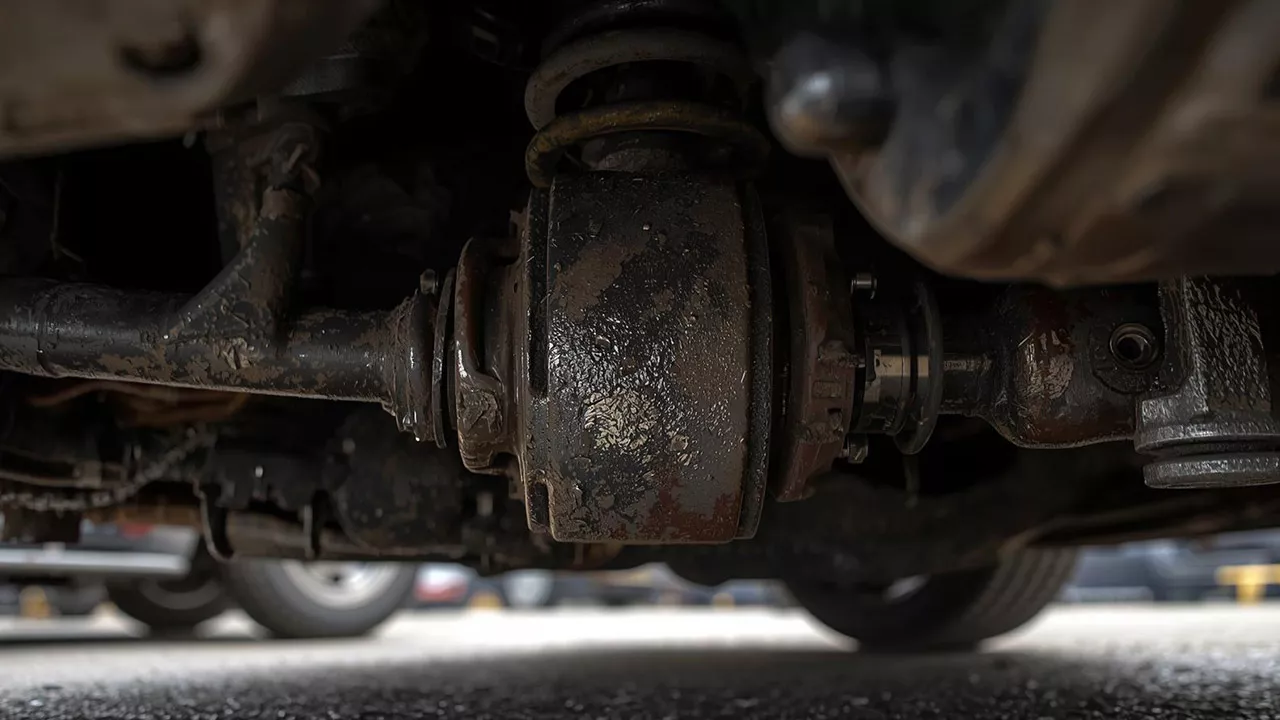
An axle is the shaft that transmits power from the transmission or differential to the wheels. This power transfer occurs regardless your vehicle uses a traditional gearbox or one of the modern continuously variable transmission systems found in so many vehicles today. Front wheel drive and most all wheel drive cars have constant velocity (CV) joints allowing the wheels steer and move with the suspension.
If you are wondering what is a cv axle, it consists of axle shaft (half-shaft), wheel hub and bearings, CV joints, and the rubber CV boot that holds grease and keeps contaminants out. When any of these parts go bad, it will compromise your drive, steering, and stability. This makes axle a very crucial component for vehicle’s safety.
Understanding the axle system at a glance
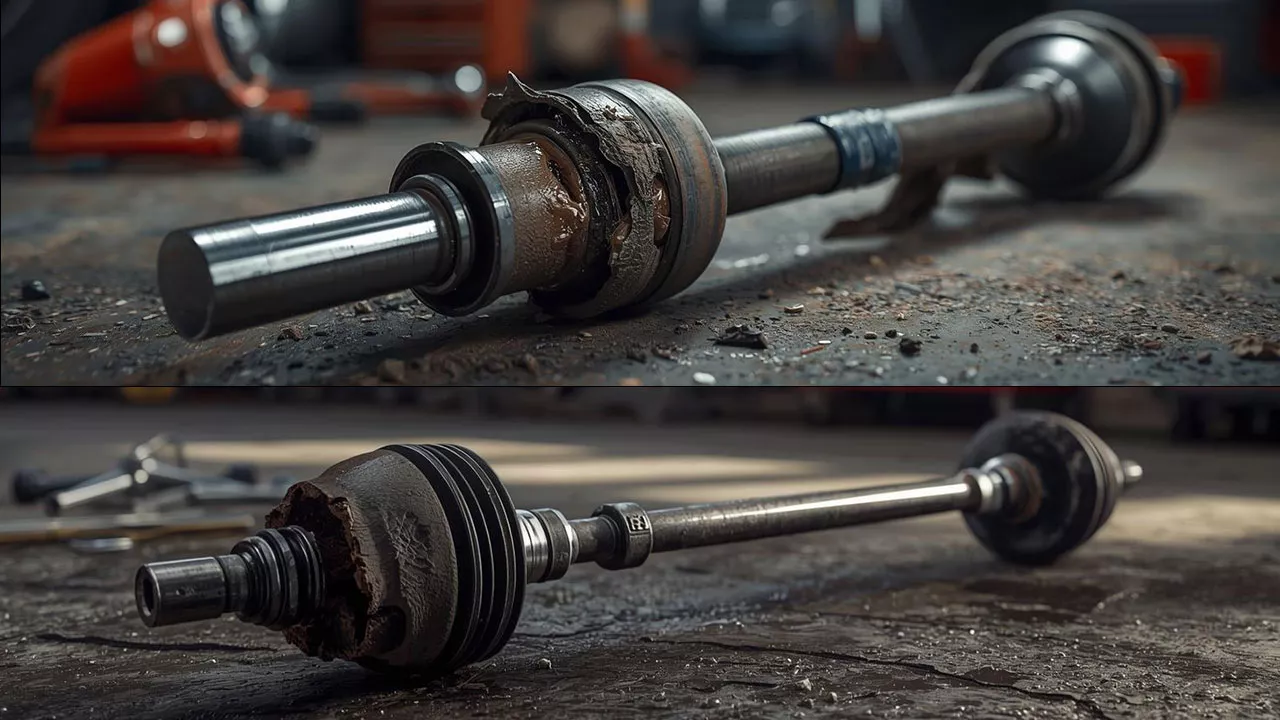
- Front axle (half-shaft): It usually contains outer and inner CV joints to handle steering and suspension travel.
- Rear axle / drive shaft: The rear wheel and All Wheel Drive vehicles transfer torque through the rear half-shafts or drive shafts. Some use CV-like joints and when those fail you will see signs of bad rear axle, including clunking from the rear or differential noise.
- Related parts: A CV axle assembly has a wheel hub, bearings, wheel-end splines, CV boots and clamps and any of these parts can go bad to fail the axle. The number of axles in a vehicle is usually two, but bigger ones like trucks and trailers come equipped with three or more.
Common causes of axle problems
- Age and wear. Like all the components of a vehicle, CV boots and joints wear down as they age. Boots commonly withstand 80,000 miles in many vehicles.
- Impact from road hazards. When a car hits potholes, curbs or debris regularly, it could risk bending or cracking of shafts and damage boots.
- Lack of maintenance. If your car’s boot is torn, it will allow grease to escape and dirt in.
- Defective parts/manufacturing errors. Manufacturing defects in axle bolts, splines and assemblies are a reason of recalls from the automakers.
What are top signs of a bad axle (what each symptom usually means)
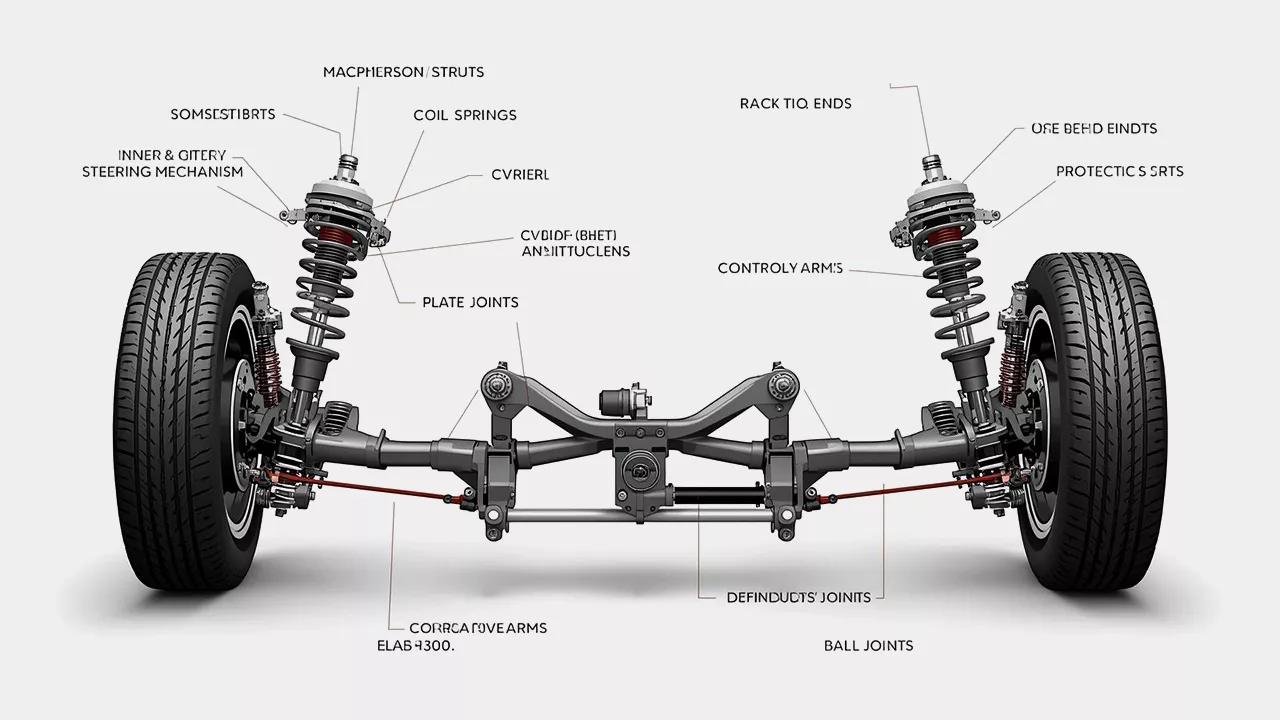
Keeping on the following bad axle symptoms will help you know about the failing component.
1. Clicking or popping when turning
A clicking sound when you make a tight turn is a bad CV axle symptom asking for a checkup. A delay here can fail the full joint. Those bad cv joint symptoms initiate with clicking usually and lead to grinding if you ignore them.
2. Knocking or clunking during acceleration or deceleration
Did you ever hear a knock under power? If yes, know there is problem with inner CV joint, splines are loose or a shaft is bent. Knocking and clunking in such a case happens before vibration or loss of drive.
3. Vibrations that worsen with speed
Continuous vibrations at high speed could be due to a bent axle or unbalanced shaft. Failing inner joints could also be a reason. That said, it occurs due to tires and wheel balance as well, so you need to cross check for other symptoms. These are definitive signs of a bad cv axle when they appear with the sound of clicking or grease on the wheel.
4. Visible grease on the inside edge of the wheel or under the car
When you spot grease on the wheels, you should know that the CV boot is torn. Once it happens, dirt finds a way to get in and wears the joint. Repair the boot; otherwise, you have to replace the full axle later.
5. Vehicle will not move, or engine revs without drive
It occurs due to snapped axle or separated spline, stopping power transfer entirely. In case the car does not go ahead with the transmission engaged, you should avoid driving the car.
6. Pulling to one side or uneven tire wear
If your car is suddenly pulling left or right, and your tires are fine, a play in the axle or wheel hub assembly could be the cause. This affects your steering and can lead to uneven tire wear.
How to inspect the axle
- Park on level ground and engage the parking brake.
- Visually inspect CV boots behind the front wheels for cracks, splits or grease.
- If comfortable and equipped, lift the car safely and spin the wheel by hand to feel for roughness or play in the joint/shaft. If you are not sure how to tell if cv joint is bad, you need to inspect for torn boots, loss of grease, clicking during slow turns, and any rough binding when you move the joint by hand.
- Do a low-speed test in a safe area: make tight turns left and right; listen for clicks. If you detect clicks, vibrations, or knocks, stop driving and get it looked at.
Recalls and why this matters now
Auto makers have issued large axle-related recalls in recent years. For example, Ford recalled over 103,000 F-150s for damaged axle bolts and splines that could cause loss of drive or rollaways. Looks like not all Fords are as reliable as they are advertised. NHTSA estimated about 1% of the affected vehicles might have the defect. Toyota recalled hundreds of thousands of models (Tacoma among them) over potential welding debris or loose axle components that risked axle separation. Those recalls show axle issues are serious safety defects.
Costs, safety, and prevention
- Cost: Replacing a single CV axle at a shop commonly ranges from a few hundred dollars to over $1,000 depending on vehicle, OEM parts and labor.
- Safety: Driving with clicking, heavy vibration, or loss of drive is unsafe. If you suspect an axle problem, have it inspected rather than “hoping it holds.”
- Prevention: Inspect CV boots during service intervals, avoid repeated curb strikes, do not overload the vehicle, and address grease leaks quickly.
FAQs About
Clicking when turning, vibration at speed, grease on wheels, knocking under load, and inability to move in severe cases. These answers directly explain what are signs of a bad axle you should stop for.
Combine auditory clues (clicks/knocks), tactile clues (vibrations), and visual checks (torn boot, grease). A mechanic can confirm with a lift inspection.
Yes. Bent shafts or failing CV joints commonly cause rhythmic shaking that often increases with speed.
Typically a worn outer CV joint that has lost lubrication or has internal wear. It is an early warning sign.
Not if you have noticeable clicking, heavy vibration, or loss of drive. Short, careful drives to a shop for inspection may be possible, but avoid highway speeds and repeated driving.
Bottom line
Axle problems give clear signals if you listen: clicks on turns, knocks under load, grease on the wheels, and vibration at speed. Inspect torn boots early and get noises checked. Some issues are simple and cheap to fix; others are safety-critical and require immediate attention. Given recent axle-related recalls, treat axle symptoms seriously. It is cheap insurance for safety and peace of mind.