

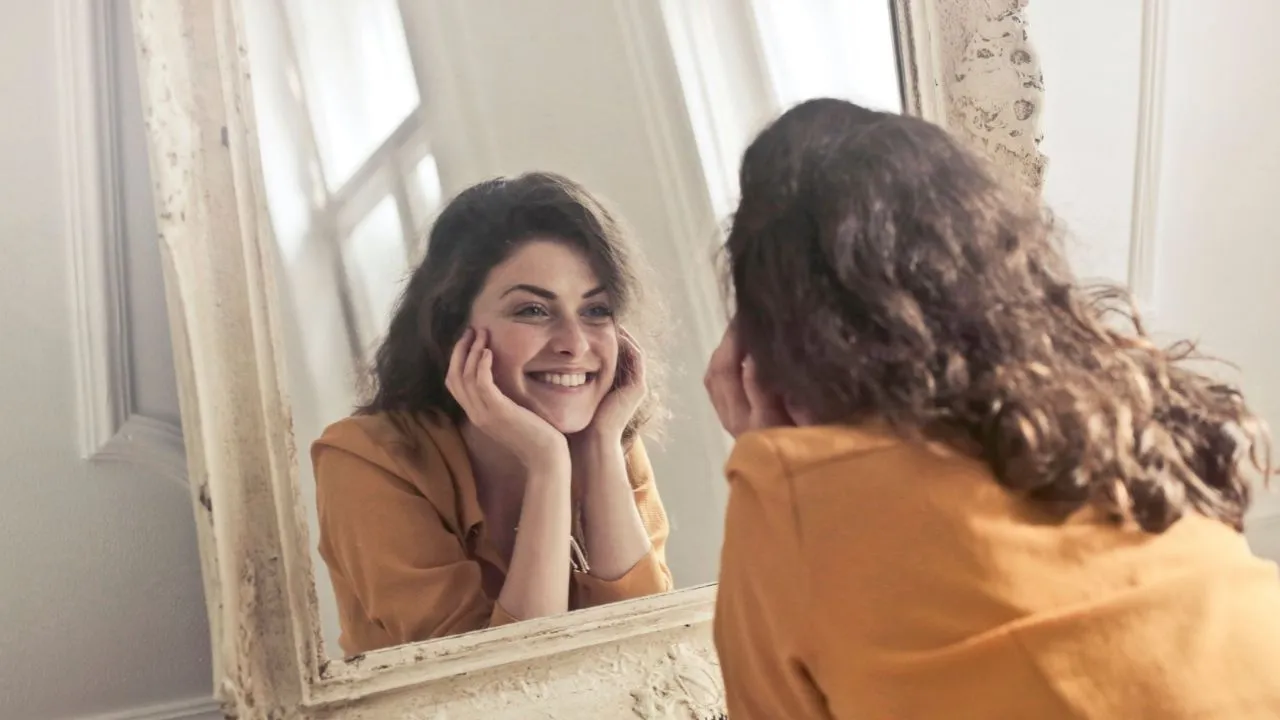
Have you ever put on a favourite outfit and felt a little more like yourself? Perhaps it was a well-fitting pair of jeans, a colourful scarf or the shirt you always reach for when you have an important day ahead. Clothes cannot solve every worry, but what we wear can influence how comfortable and confident we feel.
Fashion and self-esteem are connected through self-expression, body image, comfort and the way we present ourselves to others. Dressing in a way that feels authentic may help you approach the day with more confidence. Still, self-worth should never depend on having the latest trends, a particular body shape or an expensive wardrobe.
How Are Fashion and Self-Esteem Connected?
Self-esteem is how you value yourself. Fashion is one way to express your tastes, identity and mood. The two can overlap: when your clothes feel comfortable and reflect who you are, you may feel more at ease in social situations. When an outfit feels unlike you, it can have the opposite effect.
Researchers have studied these relationships, although the findings are more nuanced than the familiar claim that dressing well automatically makes people confident. A review published in Fashion and Textiles explores how dress relates to perceptions of ourselves, our bodies and other people. The relationship runs in several directions, and experiences differ from person to person.
1. Fashion Helps You Express Who You Are
When you hear the word fashion, you might picture flowing dresses, designer bags and high heels. Yet fashion can be as simple as your favourite trainers, a soft jumper or a carefully chosen colour. It is not only about what is fashionable this season; it is about what feels right for you.
Some people love bold patterns. Others feel happiest in simple, neutral clothes. Neither approach is better. Finding your style is less about following rules and more about noticing what you genuinely enjoy wearing.
And there is no need to spend a fortune to express yourself. You can look stylish while shopping on a budget by making the most of pieces you already own and choosing a few additions carefully.
2. Clothes Can Affect How You Feel About Yourself
Think about the difference between wearing something that pinches, slips or needs constant adjusting and an outfit that lets you move freely. Comfort may not sound glamorous, but it makes a real difference to how you carry yourself.
A 2018 study of working adults and their daily clothing choices found that participants reported feeling better about themselves on days when they were more satisfied with how they dressed. That is an association, not proof that a particular outfit causes higher self-esteem, but it helps explain why clothing choices can feel personal.
Start with fit and comfort rather than the size printed on a label. If you enjoy jeans, for instance, small changes in shoes and layers can give you a fresh look; the possibilities for dressing up jeans are often already in your wardrobe.
3. Your Posture and Comfort Shape the Whole Look
Fashion is not only about clothing. The way you stand, walk and move can change how an outfit looks and, sometimes, how you feel wearing it.
There is no need to strike a dramatic power pose or take up extra space to prove that you are confident. Claims that certain poses reliably change stress hormones or transform self-esteem have not held up consistently in later research. A more useful approach is simple: wear clothes that allow you to breathe and move, relax your shoulders and stand in a way that feels natural.
When you are comfortable, you can spend less time thinking about whether your clothes look right and more time enjoying the moment.
4. Your Clothing Can Influence First Impressions
Whether we like it or not, people sometimes make quick judgements based on appearance. A neatly pressed shirt may suggest one thing in an interview; a relaxed outfit may suit a weekend gathering better. But clothing does not reveal someone’s character, intelligence or worth.
Dress codes also depend on culture, workplace expectations and the occasion. You do not have to abandon your personality to dress appropriately. A favourite colour, comfortable shoes or a small accessory can help an outfit feel like your own.
Think of clothes as one part of your introduction, not your entire identity. What you say, how you treat others and the work you do matter far more than a label.
5. Getting Dressed for a Task May Help You Feel Prepared
There is something satisfying about putting on clothes that suit the day ahead. A work outfit can signal that it is time to concentrate, just as comfortable exercise clothes can make getting ready for a walk or workout feel easier.
Psychologists Hajo Adam and Adam D. Galinsky introduced the term enclothed cognition in a 2012 study published in the Journal of Experimental Social Psychology. Their experiments examined whether wearing a coat associated with a doctor’s role influenced performance on attention tasks. The results suggested that both wearing the garment and its symbolic meaning could matter.
However, later researchers did not consistently replicate the attention effects, so it would be misleading to say that putting on a blazer or a suit is guaranteed to improve your productivity. It may help you feel prepared, but your habits, environment and the task itself still matter.
The same practical thinking applies to exercise. You do not need expensive matching sportswear to enjoy a workout; clothes that suit your activity and feel comfortable are a sensible starting point. That is also the idea behind choosing gym outfits that work for you.
6. Colour and Personal Style Can Influence Your Mood
A bright orange scarf might make one person smile, while another feels most relaxed in navy or cream. Colour preferences are personal, and they can change with your mood, the weather or the occasion.
There is no reliable rule that wearing red will make everyone feel powerful or that a certain shade can treat low mood. Still, choosing colours and textures you enjoy can be a small, pleasant way to express how you feel—or how you would like to approach the day.
Try wearing a favourite colour when you need a little lift. If it works for you, keep it. If it does not, there is nothing wrong with reaching for your most comfortable old jumper instead.
How to Build Confidence Through Your Personal Style
You do not need a new wardrobe to feel better in your clothes. A few thoughtful habits can make getting dressed easier:
- Notice what feels like you. Keep track of outfits you wear happily rather than the ones you think you should like.
- Put comfort first. Choose sizes, cuts and fabrics that allow you to move without constant adjustments.
- Shop your wardrobe. Try different combinations before buying more.
- Dress for your real life. Your everyday routine matters more than an imaginary perfect occasion.
- Be kind to yourself. Your body does not need to change to deserve clothes that fit and feel good.
Fashion can be enjoyable without becoming another standard you feel pressured to meet. If an outfit makes you feel good, wonderful. If it does not, that says nothing about your value as a person.
Frequently Asked Questions
Fashion may support confidence when clothes feel comfortable, express your personality or help you feel prepared for an occasion. But self-esteem depends on much more than appearance, and buying fashionable clothes is not a guaranteed way to improve it.
Some people feel more confident in clothes they like and feel comfortable wearing. The effect varies, though, and there is no single style that works for everyone.
Clothing can be part of self-expression and everyday wellbeing, but it is not a treatment for a mental health condition. Pressure to look a certain way can also be stressful, so it helps to keep style choices flexible and personal.
Not necessarily. A good fit, personal taste and comfort often matter more than the price tag. A simple outfit that feels like you may be more satisfying than an expensive one you rarely wear.
Final Thoughts
Fashion and self-esteem have a connection, but it is not as simple as wearing better clothes and suddenly feeling better about yourself. The right outfit may help you feel comfortable, express your personality or face a new situation with a little more ease.
Wear the colours you love. Find the fit that feels right. Enjoy the occasional bold choice, and do not be afraid of a familiar favourite. Style is at its best when it supports who you already are, rather than asking you to become someone else.
